Wednesday, April 13, 2011

Baby Otter Triplets

Here are some recent otter photos!

March 11, 2011


April 6, 2011 - It's hard work to mother triplets!


April 7, 2011 - Eyes just opened within the last three days.


April 7, 2011 - Vet Exam


Happy zookeepers!  Our otter is a very good mother.


Saturday, April 9, 2011

Spanish Goats are on Exhibit

Our Spanish Goats have joined our turkeys, mute swan, and Canada geese on exhibit.

This is one of our mother goats with her twins - a boy and a girl.

Finding lots to eat!


The herd mainly stuck together while exploring the exhibit,
and the goats are very vocal when seperated.


Wednesday, March 16, 2011

New Baby Otters!!

We are thrilled to announce our new otter triplets!


The three otter pups were born to one of our females on Wednesday, March 2nd.  The first pup was born overnight or early that morning, and the other two were born later in the morning.  It seemed like every time we looked, there was an additional baby!

Zoo staff was prepared for this pregnancy.  The hormone testing that we did in October (see the blog from that month) revealed that our otter was either pregnant or had a false pregnancy.  It was fortunate that we were prepared, as she gave birth a whole week early!

Our female otter was hand-raised, so keepers were unsure whether she had enough mothering skills to take proper care of her babies.  We watched as she kept her pups warm and encouraged them to nurse. 

The zookeepers have to be very careful when they are checking on the pups.  It is very important to keep the mother stress-free, or she could abandon the pups.  For that reason, the mother and the pups will be off exhibit for now.  Once she teaches the pups how to swim (a behavior that they always learn from their mother), we will consider putting them on exhibit.


Our veterinarian was invited to examine the baby otters on their second day.  All three pups appeared very healthy, and each are a wonderful weight for a newborn otter.  This pup was 136 grams which is about one-third of a pound (4.8 oz).  The vet and zoo staff made the decision to let the pups be mother-raised unless we see signs of neglect.

Each pup was microchipped.  The chip can be scanned and allows staff to identify each pup. 
All three pups are believed to be male.

We are very excited about our new zoo animals, and we hope to post many more pictures as the pups grow and learn about their new home!

Saturday, March 12, 2011

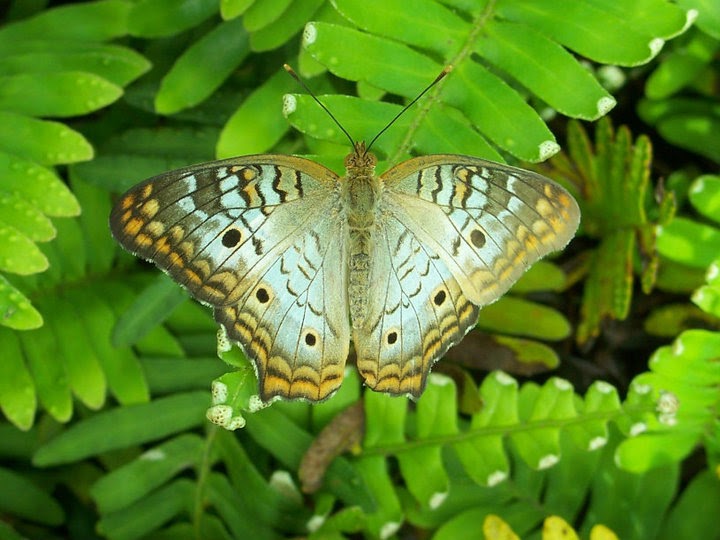
Whispering Wings Butterfly Experience

Our Butterfly Experience opens for the year on April 1, 2011.

White Peacock

Queen

Hairstreak

Thursday, January 20, 2011

Valentines for Animals

This year, we are decorating the zoo for Valentine's Day! 
We would love for you to join us on February 14, 2011.  

We will be giving the animals Valentine's-themed enrichment.  Here are
some examples from years past:

Paper bags filled with diet items.

Popsicles with Jello shapes inside.  This is one of our female otters.

Meatball "cupcakes" for our birds of prey.

We look forward to seeing you at the zoo!

Happy Holidays!

Happy Holidays from the animals of the Lowcountry Zoo!
(All photos taken on December 25, 2010)

        Otters and Treats for Otters.


A Barred Owl and a Red-tailed Hawk 


Yummy mealworm treats for Chickens


Happy Holidays from Drifter, Elvira, Gambler and Sarah!

Monday, December 20, 2010

Scooping Poop for Science


This week, I went out to collect a fecal sample from the otter exhibit. I looked up and realized that a visitor and her daughter were watching me through the viewing window.  They had identical expressions of "What in the world is she doing!"

Zookeepers are collecting samples from our three female otters to begin testing whether they are pregnant. Samples are collected every day in October, November, and December.  The frozen samples will be shipped to CREW, the Center for Research of Endangered Wildlife, in Ohio.

North American river otters are not endangered, but scientists are studying their strange reproduction process.  It is called delayed implantation, and otters usually take a whole year to give birth!

The scientists at CREW track the levels of two hormones to determine whether an otter is pregnant.  They will also use this data to help other zoos with their breeding programs. 

Collecting daily samples and doing paperwork is a lot of work for the zookeepers, but we are excited to support CREW's research.  We are also excited to find out if our otters are pregnant!

                             This photo is our youngest otter when he was still a baby. 
                                       He was found orphaned on our property.